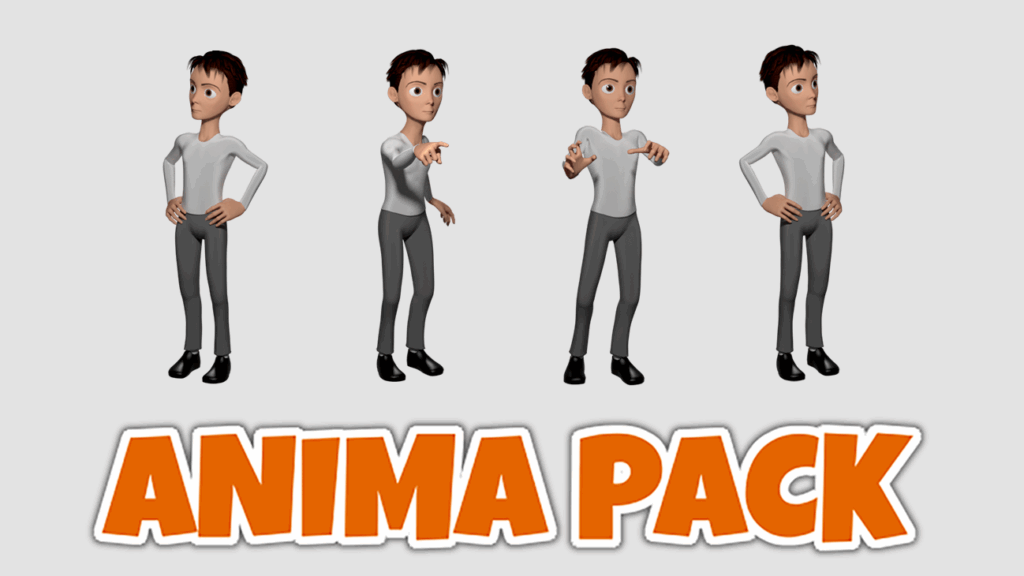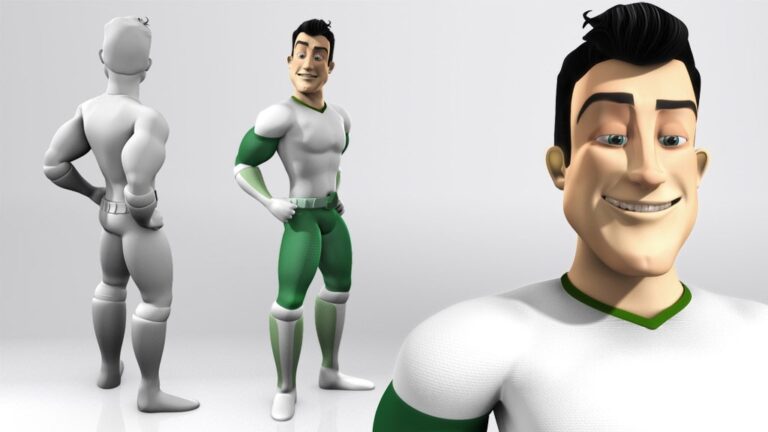
The animation industry is undergoing its most dramatic shift since the transition from hand-drawn cels to digital software. AI cartoon animation — the application of machine learning and generative AI to produce, enhance, and automate animated content — has moved rapidly from an experimental novelty to a production-floor reality. Whether you're an independent creator, a mid-sized studio, or a global broadcaster, the rise of AI-powered animation tools is impossible to ignore.
But what exactly is changing, and how fast is it happening? The numbers tell a striking story.
The Market Opportunity: A Billion-Dollar Surge
The generative AI in animation market is one of the fastest-growing segments in the entire technology landscape. According to industry research, the global market was valued at approximately $652 million in 2024 and is projected to reach $13.4 billion by 2033, expanding at a compound annual growth rate (CAGR) of 39.8%. Separate estimates from ResearchAndMarkets place the 2024 figure closer to $2.1 billion, with a projected $15.9 billion value by 2030 — reflecting varying methodologies but the same explosive trajectory.
$2.1BAI Animation Market 2024
$15.9BProjected Value by 2030
39.8%CAGR 2024–2030
60–70%Production Time AI Can Automate
Meanwhile, the broader 3D animation market was valued at $25.26 billion in 2024 and is on track to reach $51 billion by 2030, growing at a CAGR of 12.3%. North America remains the dominant region, commanding roughly 37.9% of global animation and VFX revenue in 2025, but Asia-Pacific — home to the world's most prolific anime production pipelines — is closing the gap rapidly.
What Is AI Cartoon Animation and How Does It Work?
AI cartoon animation refers to the use of artificial intelligence algorithms — including machine learning, deep learning, generative adversarial networks (GANs), and transformer models — to create, accelerate, or enhance the animation production process. Unlike traditional animation, which requires artists to draw or model every frame manually, AI-powered animation tools can generate movement, textures, dialogue lip-syncing, background environments, and even full character rigs from minimal input.
The most widely adopted AI animation capabilities today include:
Automated in-betweening (tweening): AI fills the frames between keyframes, a task that previously consumed enormous animator hours.
AI character rigging: Automated skeletal structures reduce setup time from days to hours.
Text-to-animation: Tools like Krikey AI allow creators to type a description and receive a fully animated character action sequence.
AI lip-sync: Platforms automatically match character mouth movements to uploaded voiceovers or AI-generated dialogue.
Style transfer: AI applies a chosen visual style — watercolor, anime, retro cel — to 3D geometry across an entire production.
AI storyboarding: Machine learning tools help generate shot-by-shot visual plans from script text alone.
"AI-driven tools are automating tasks like in-betweening and character rigging that previously consumed 60–70% of production schedules, allowing studios to redirect resources toward IP development."
Real-World Studio Applications
The impact of AI-powered animation tools is not theoretical — major studios are already deploying them in production. Pixar used AI-powered style transfer extensively in Elemental, training a system on hand-painted images to generate painterly textures applied across nearly every shot in the film. Sony's AnimeCanvas platform integrated AI into its ink-and-paint workflow, reducing the number of clicks required by approximately 15% — modest-sounding until you multiply it across tens of thousands of anime episodes produced annually.
For AI cartoon animation for beginners and independent creators, the barrier to entry has collapsed dramatically. A freelancer who previously needed a team of six artists and a $50,000+ budget can now use AI cartoon generators to produce polished animated explainers, social media content, and short-form series at a fraction of the cost and timeline.
Key Benefits Driving Industry Adoption
1. Faster Production Timelines
Traditional 2D cartoon production can take 12–18 months per season. AI-assisted pipelines are cutting that figure dramatically. Studios using automated character rigging, AI in-betweening, and generative background tools report production speed improvements ranging from 40% to 70%, depending on the project type.
2. Democratization of Cartoon Creation
The AI cartoon animation for YouTube and social media space has exploded. Tools that once required professional-grade software expertise now offer intuitive interfaces where creators type prompts, adjust camera angles, and export broadcast-ready clips in minutes. This has enabled a new wave of AI-generated animated content creators — many operating solo — to build substantial audiences and revenue streams.
3. Cost Reduction at Scale
With 65% of marketers planning to increase their animation budget in the next 18 months, production efficiency is a competitive necessity. AI automation of repetitive tasks — coloring, compositing, background generation — allows studios to produce more content without proportional headcount growth.
4. New Creative Possibilities
AI doesn't just replicate existing styles — it enables entirely new visual aesthetics. Generative AI animation tools let artists blend styles, animate impossible physics, and iterate on visual concepts in real time, expanding the creative vocabulary available to storytellers.
Challenges and Considerations
The transformation is not without friction. Copyright and intellectual property remain the most pressing concern — most major studios restrict AI tool usage on client projects due to unresolved legal questions around training data. "Ethical data" (licensed, owned, or public domain) is emerging as a key criterion for enterprise adoption.
Workforce impact is another significant consideration. According to Luminate's 2025 industry report, concept and storyboard artists (55%), VFX artists (50%), and game developers (43%) are expected to be among the roles most affected by AI over the next two years. Simultaneously, demand for animators skilled in generative AI is expected to rise by over 25%, signaling a shift in the skill sets the industry prizes rather than a wholesale replacement of human talent.
U.S. animated series commissions also reflect broader market pressures — peaking at 225 orders in 2021, falling to 171 in 2024. The introduction of lower-cost AI production pipelines may exacerbate downward pricing pressure even as overall demand for animated content grows.
The Future of AI Cartoon Animation
Looking ahead, the convergence of AI 3D cartoon animation, real-time rendering engines, and large language models is set to produce an entirely new category of interactive animated content — experiences that adapt to viewer input, generate unique storylines, and personalize character dialogue on the fly. VR and AR animation pipelines powered by AI are already in early-stage production at several major studios.
For creators and studios willing to adopt these tools thoughtfully — maintaining human creative direction while leveraging AI for efficiency — the next five years represent an extraordinary opportunity. The global anime market alone is forecast to exceed $60 billion by 2030, and AI will play an increasingly central role in meeting that content demand.
Frequently Asked Questions
What is AI cartoon animation?
AI cartoon animation is the use of artificial intelligence — including machine learning, deep learning, and generative models — to automate, accelerate, or enhance the creation of animated cartoon content. It covers everything from automated in-betweening and character rigging to full text-to-animation generation, where a creator types a description and receives a finished animated clip.
What is the best AI cartoon animation tool available?
Popular AI cartoon animation tools in 2025–2026 include Krikey AI (text-to-animation), Animaker (with AI lip-sync), Adobe Firefly for style transfer, Reallusion's Cartoon Animator, and tools built on Runway ML or Pika Labs for video generation. The "best" tool depends on use case — professional studios often combine multiple platforms, while solo creators may prefer all-in-one solutions.
Will AI replace cartoon animators?
Most industry analysts say AI will transform rather than fully replace animators. Repetitive technical tasks — in-betweening, coloring, basic rigging — are increasingly automated, but creative direction, character performance, and storytelling still require human expertise. Demand for animators skilled in AI tools is projected to grow by over 25% as the industry evolves.
How does AI generate cartoon animations?
AI animation works by using machine learning algorithms trained on vast datasets of existing animations, images, and motion data. Depending on the model, it can predict frame sequences, generate new frames from keyframes, apply visual styles across entire scenes, or produce animated character movements from text prompts — all without frame-by-frame manual drawing.
Is AI cartoon animation free to use?
Several AI animation tools offer free tiers with limited features — Animaker, Krikey AI, and Canva's animation tools all have free entry points. More capable professional tools typically require paid subscriptions, ranging from around $15/month for basic plans to enterprise pricing for studio-grade solutions.
Can AI be used for 2D cartoon animation?
Yes. AI is widely applied to 2D cartoon animation, including automated in-betweening, AI-assisted ink and paint workflows (as used in anime production), lip-syncing, and background generation. Sony's AnimeCanvas is one high-profile example of AI being integrated directly into a 2D animation production pipeline.
How long does it take to create an AI cartoon animation?
For short-form content (30–60 second explainer clips), AI animation tools can compress production from weeks to hours for experienced users. Feature-length or broadcast-quality productions still require significant pre-production, creative oversight, and post-production work — but AI-assisted pipelines are reducing typical timelines by 40–70% compared to fully manual workflows.
Chasing Illusions Studio
Premium animation & video production studio based in Delhi, India. Specialising in 3D animation, medical visualisation, architectural walkthroughs, and CGI.